


Chưa có sản phẩm trong giỏ hàng.
 Giải pháp đóng gói
 Giải pháp rửa
 Thiết bị inox – nhà bếp
 Giải pháp in date – số lô
 Máy phân cơ tôm – cá
 Chính sách bán hàng
 Hướng dẫn mua hàng
 Hướng dẫn trả góp
Public
Understanding the basics of gambling a beginner’s guide
Understanding the basics of gambling a beginner’s guide
What is Gambling?
Gambling is the act of wagering something of value on an event with an uncertain outcome, primarily with the intent of winning additional money or material goods. This practice has been a part of human culture for centuries, evolving from simple games of chance to complex systems involving strategy and skill. Understanding the fundamentals of gambling is crucial for anyone looking to engage in this activity, especially when considering options like online casinos that are increasingly popular.
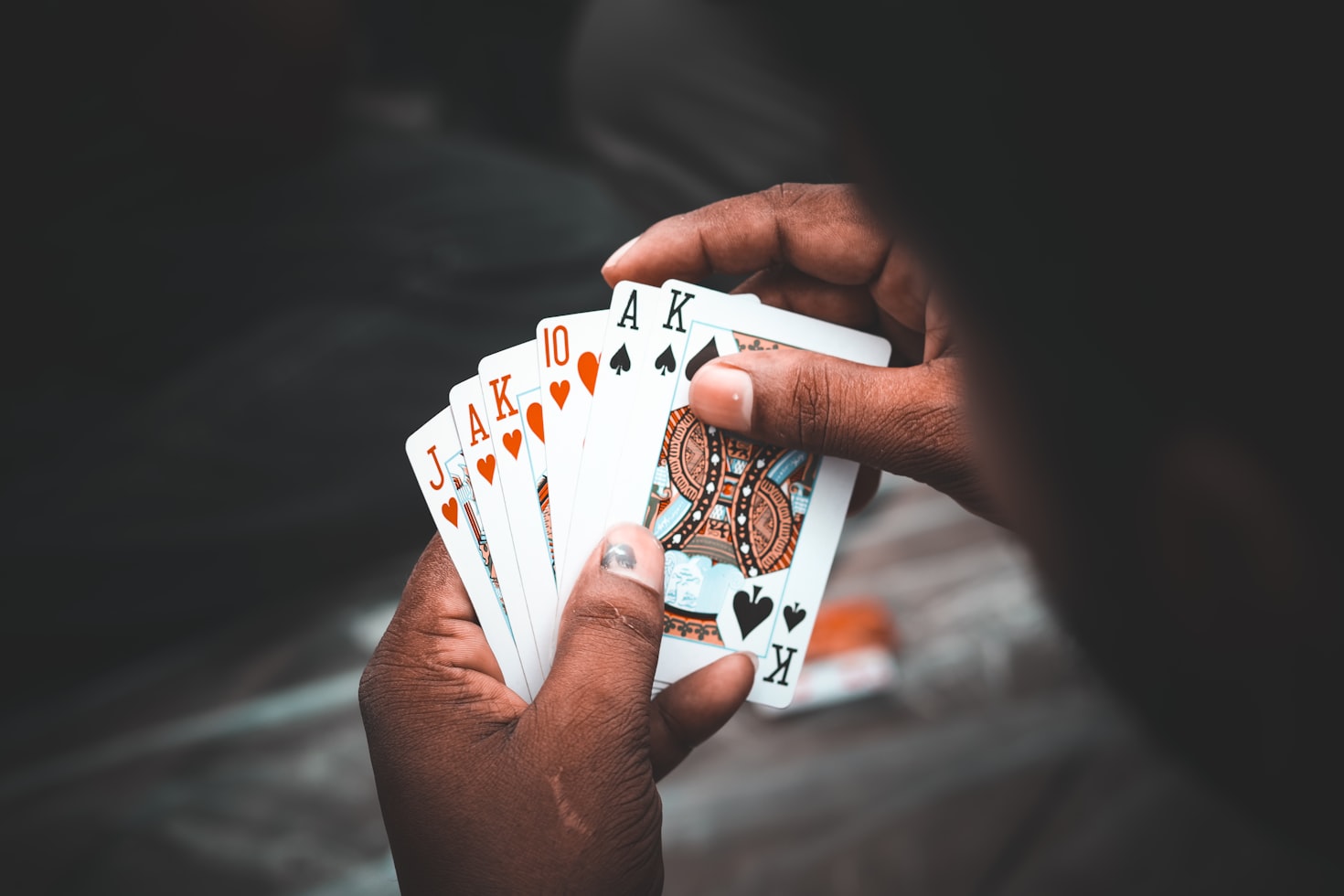
The forms of gambling are diverse and include activities like betting on sports, playing casino games, and participating in lotteries. Each type presents its own set of rules and strategies, making it important for beginners to familiarize themselves with the specific nuances of the gambling format they choose to engage in.
The Historical Evolution of Gambling
The origins of gambling can be traced back thousands of years to ancient civilizations. Evidence suggests that dice games were played in Mesopotamia around 3000 BC. Over time, gambling has transformed, reflecting societal changes and advancements in technology. The invention of playing cards in China during the Tang dynasty significantly influenced gambling practices globally. This historical evolution highlights how gambling has adapted to meet the needs of different cultures.
Throughout history, different cultures have embraced gambling, from the Roman Empire’s betting on gladiatorial games to the elaborate casinos of modern-day Las Vegas. Each era and location has contributed unique elements to gambling, shaping its laws, practices, and public perception.
Types of Gambling
Gambling can be broadly categorized into two main types: games of chance and games of skill. Games of chance, such as slot machines and roulette, rely solely on luck, while games of skill, like poker and blackjack, require strategic thinking and a deep understanding of the game’s mechanics. For beginners, knowing which type aligns with their interests and abilities is essential.
Additionally, online gambling has surged in popularity, offering a convenient way to gamble from the comfort of home. With various platforms available, newcomers must learn about safe gambling practices and how to choose reputable sites to ensure a secure experience.
Responsible Gambling
Engaging in gambling should always be done responsibly. It is crucial for beginners to set limits on their spending and be aware of the risks involved. Establishing a budget before starting can prevent excessive losses and promote a more enjoyable experience. Understanding when to walk away is a vital skill every gambler should develop.
Moreover, many organizations advocate for responsible gambling, offering resources and support for individuals who may develop problematic gambling behavior. Awareness and education are key in fostering a healthy approach to gambling, ensuring that it remains a form of entertainment rather than a source of stress.

Understanding Online Gambling Platforms
The rise of technology has led to the emergence of online gambling platforms, making it easier than ever for individuals to engage in various forms of gambling from their devices. These platforms often provide a wide range of games and betting options, but they also come with their own set of challenges and considerations.
When choosing an online gambling site, beginners should prioritize security, user experience, and the reputation of the platform. Many sites offer guides and resources to help new users navigate the landscape of online gambling, ensuring a safer and more enjoyable experience overall.
