


Chưa có sản phẩm trong giỏ hàng.
 Giải pháp đóng gói
 Giải pháp rửa
 Thiết bị inox – nhà bếp
 Giải pháp in date – số lô
 Máy phân cơ tôm – cá
 Chính sách bán hàng
 Hướng dẫn mua hàng
 Hướng dẫn trả góp
Public
Cultural perceptions of gambling how society shapes attitudes and behaviors
Cultural perceptions of gambling how society shapes attitudes and behaviors
The Historical Context of Gambling
Gambling has existed in various forms across cultures for centuries, serving different purposes depending on societal norms and historical events. In ancient civilizations, such as those in Mesopotamia and Rome, gambling was often associated with rituals and community gatherings, playing a crucial role in social bonding. These early forms of betting were not just seen as mere entertainment; they held cultural significance that shaped the way people viewed luck and fate. In today’s world, many look toward the best online casino options available, reflecting how technology has transformed traditional gaming practices.

As societies evolved, so did the perception of gambling. In many cultures, it transitioned from being a communal activity to a more individualistic venture, often tied to notions of personal responsibility and moral judgment. This evolution highlights how gambling has been influenced by changes in societal values, economic conditions, and even religious beliefs, shaping varied attitudes toward it across different cultures.
Modern Attitudes Toward Gambling
In contemporary society, attitudes toward gambling vary widely, often reflecting regional cultural influences. In some countries, gambling is embraced as a form of entertainment and a legitimate source of revenue, leading to the establishment of casinos, lotteries, and sports betting. Conversely, in other cultures, gambling is stigmatized and associated with moral decay, addiction, and financial ruin. These opposing views affect legislation, with some governments promoting regulated gambling industries while others impose strict bans.
Public perception also plays a crucial role in shaping behaviors towards gambling. In regions where gambling is celebrated, people tend to engage more frequently, often viewing it as a social activity. In contrast, areas with negative perceptions may see lower participation rates, influencing community dynamics and even impacting local economies. This stark contrast underscores the importance of cultural context in shaping gambling attitudes and behaviors.
The Influence of Technology on Gambling
Technological advancements have dramatically transformed the gambling landscape, reshaping cultural perceptions and behaviors. The rise of online gambling platforms has made betting more accessible, allowing individuals to engage in gambling from the comfort of their homes. This convenience has contributed to a growing acceptance of gambling, particularly among younger generations who may not have been exposed to traditional forms of betting.
However, the digital shift also brings challenges. Concerns about addiction, ethical gambling practices, and the potential for increased gambling-related harm have emerged as significant issues. The ability to gamble 24/7 can blur the lines between casual play and problematic behavior, leading to a reevaluation of how society views gambling in the digital age. As technology continues to evolve, it will undoubtedly play a pivotal role in shaping future cultural attitudes towards gambling.
Cultural Differences in Gambling Regulations
The regulatory environment surrounding gambling varies significantly from one culture to another, reflecting broader societal values and beliefs. In countries where gambling is seen as a harmless pastime, regulations may be more lenient, allowing for a wide variety of gambling options. For instance, in Las Vegas, USA, gambling is not only accepted but is a crucial part of the economy, driving tourism and entertainment.
On the other hand, in cultures where gambling is viewed as taboo or dangerous, stricter regulations may be in place. Countries such as Saudi Arabia impose total bans on gambling, viewing it as incompatible with their cultural and religious values. These regulatory disparities highlight how deeply ingrained cultural perceptions can influence not only individual behavior but also the legal frameworks governing gambling activities.
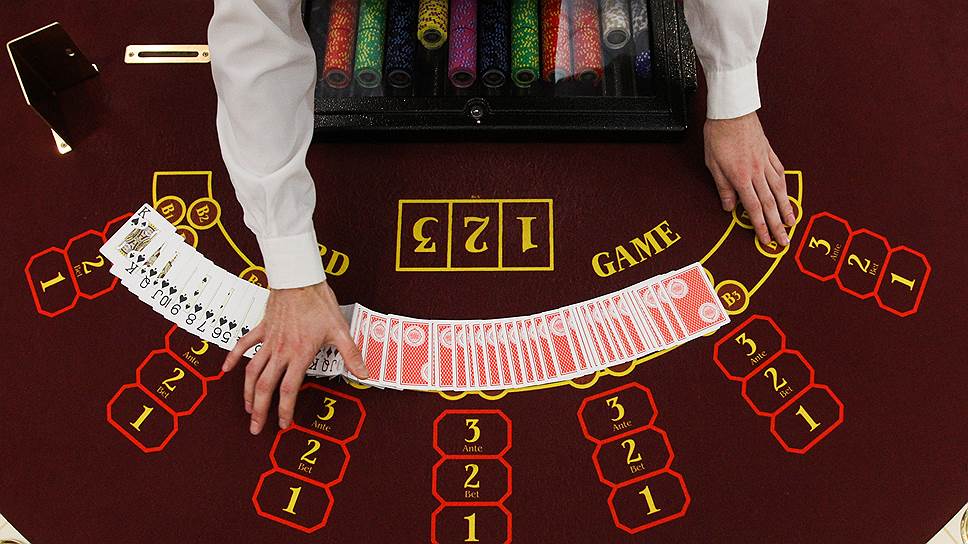
Understanding the Broader Impact of Gambling Culture
Understanding the cultural perceptions of gambling offers insight into the broader societal implications of this activity. It affects not just the individuals who participate in gambling but also families, communities, and economies. The normalization of gambling can lead to increased participation, which may have positive economic impacts but can also result in social issues such as addiction and financial distress.
Moreover, as societies become more interconnected through globalization, cultural attitudes towards gambling are also evolving. This creates a complex interplay of beliefs and practices that can influence everything from marketing strategies to public health initiatives. Recognizing this multifaceted landscape is essential for addressing the challenges and opportunities presented by gambling in a modern context.
